
When you think of Morocco, what comes to mind? Perhaps bustling souks filled with colorful textiles and fragrant spices, or majestic palaces with intricate tile work. But beyond the picturesque imagery lies a rich tapestry of diverse cultures that have shaped the vibrant essence of this North African country. From the indigenous Berber people to the influence of Arab, French, Andalusian, and Jewish traditions, Morocco’s cultural landscape is truly a mosaic of influences.
The Berber Culture
The Berber people, also known as Amazigh, are the indigenous inhabitants of Morocco, with a history that dates back thousands of years. Their culture is deeply rooted in traditions, with their own language, customs, and art forms. Berber music, characterized by rhythmic drumming and ululating vocals, and traditional Berber dance, often performed during festivals and celebrations, showcase the rich heritage of this ancient culture.
Arab Influence
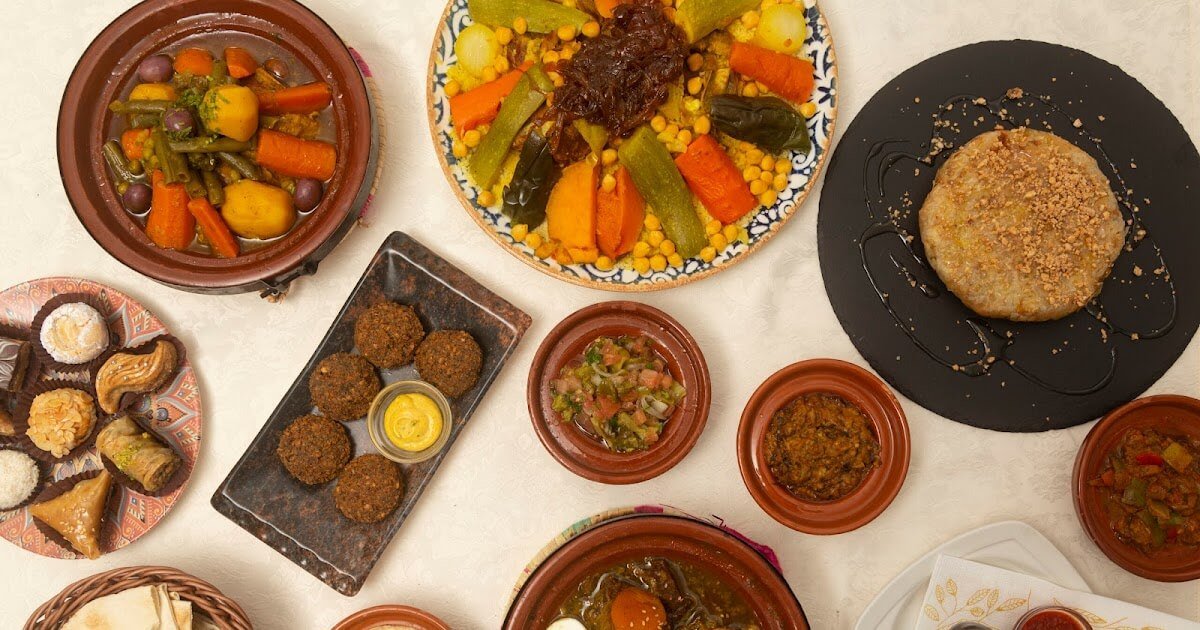
Arab culture has also played a significant role in shaping Moroccan society, particularly through the spread of Islam. The Arabic language, the religion of Islam, and traditional Arab cuisine are all integral parts of Moroccan culture. Throughout Morocco, you’ll find stunning examples of traditional Arab architecture, intricate calligraphy, and vibrant geometric patterns that reflect the influence of Arab design aesthetics.
French Colonial Legacy
French colonization left a lasting impact on Moroccan culture, evident in the language, education system, and culinary traditions. The fusion of French and Moroccan styles is particularly prominent in art and fashion, with Moroccan designers drawing inspiration from both Western and traditional motifs. French influence can also be seen in the cafe culture of Morocco’s cities, where locals gather to enjoy coffee, pastries, and lively conversation.
Andalusian Heritage
The legacy of Al-Andalus, the Islamic caliphate that once ruled Spain and parts of North Africa, is reflected in Moroccan culture through music, dance, and architecture. Andalusian music, characterized by intricate melodies and poetic lyrics, has a strong presence in Moroccan traditions, particularly during religious ceremonies and special events. The intricate tile work and ornate archways of Andalusian architecture can be seen in mosques, palaces, and historic buildings throughout Morocco.
Jewish Heritage
Morocco has a long history of Jewish communities, with traditions and customs that have enriched the cultural fabric of the country. Jewish heritage can be seen in the synagogues, cemeteries, and historic Jewish quarters of Moroccan cities. The preservation of Jewish traditions, such as music, cuisine, and religious practices, is a testament to the harmonious coexistence of diverse cultural groups in Morocco.
Contemporary Cultural Scene
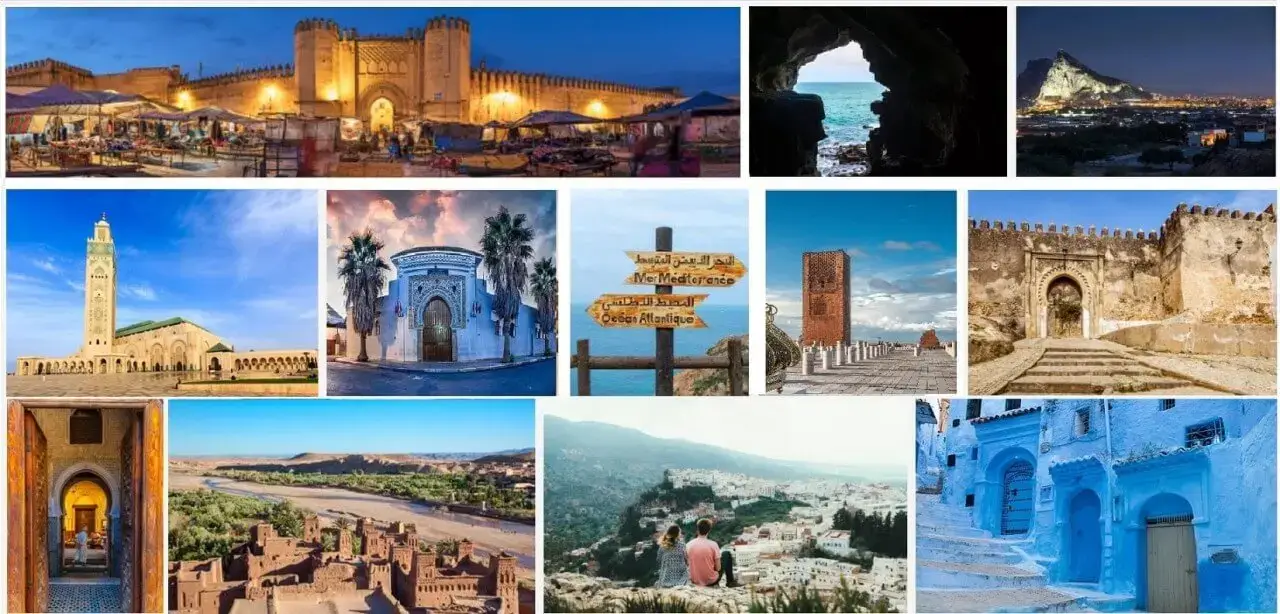
Today, Morocco’s cultural scene is a blend of tradition and modernity, with a burgeoning arts, music, and literature scene that showcases the country’s creativity and innovation. From the vibrant street art of Casablanca to the experimental films of Marrakech’s International Film Festival, Morocco is a hub of creativity and expression. Contemporary Moroccan artists and designers are creating bold, eclectic work that reflects the country’s dynamic cultural landscape.